SuirCan is involved in mapping & controlling 3 Invasive Plant Species on the River Suir
Also check out our Facebook page with more up to date information “RiverSuirProject”

Giant hogweed poses a threat to human health due to production of a hazardous sap that can cause severe burns and scarring by sensitising the skin to light (UV radiation). Its large surface area means it shades out native species and its high volume of seed production means it easily propagates. The species can also increase soil erosion along river banks.
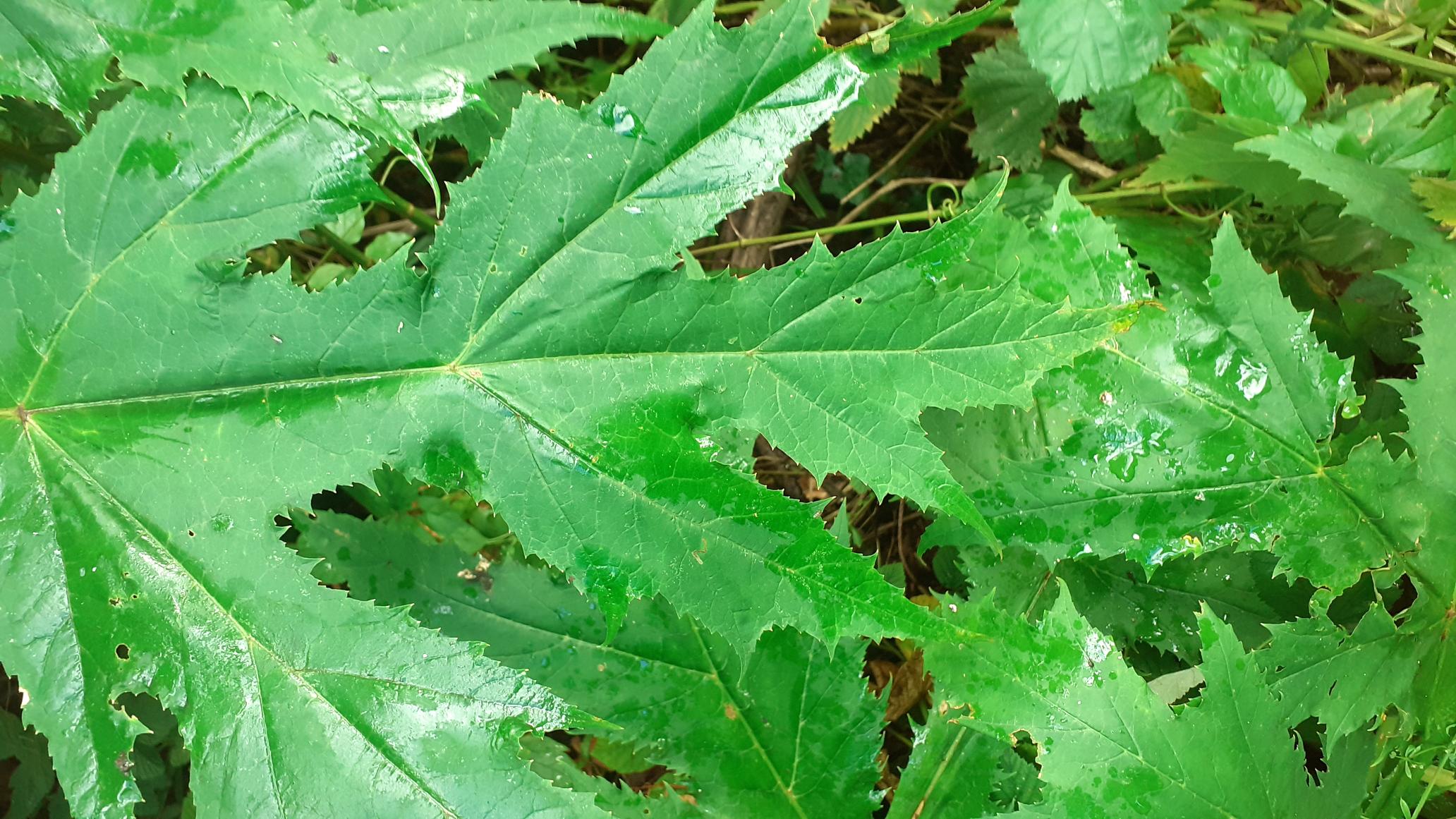
How to Identify
Giant hogweed fact sheet (Invasive Species Ireland, PDF)
How to tell giant hogweed from similar plants (Limerick City and County Council, PDF)

Outcompetes native species by forming dense stands. Can raise the risk of flooding as large stands can impede the flow of a waterbody.
Seeds are easily spread by both wind and water, making it easy to colonise areas further downstream.
During the winter the plant dies back, leaving river banks vulnerable to erosion.

How to Identify
Himalayan balsam fact sheet (Invasive Species Ireland, PDF)

Outcompetes native species.
The species can increase soil erosion especially along river banks.
May cause structural damage to property and can be very costly to remove.
Propagates (reproduce) easily so can colonise an area in a relatively short time.

How to Identify
Japanese knotweed fact sheet (Invasive Species Ireland, PDF)
Giant Hogweed removal starts in March & April each year and Himalayan Balsam in June, July & August


Sign up for our free MONTHLY NEWSLETTER, Suircan Environmental Forum News, with updates on what we’re up to and how you can get involved.